“Mindcage” begins with detectives Jake Doyle and Mary Kelly facing a disturbing new case involving a series of murders that mirror the style of a notorious serial killer known as “The Artist.” The problem is that The Artist is already behind bars, serving a life sentence for his twisted crimes. As the body count rises and public fear increases, Mary proposes an unsettling strategy: visiting The Artist in prison to see if he can help them understand the mind of the copycat. Jake, still emotionally scarred from his past encounters with the killer, reluctantly agrees.
When Mary meets The Artist, she finds him eerily calm, articulate, and disturbingly insightful. He speaks in riddles and twisted philosophical monologues, forcing Mary to decipher meaning behind every word. Though he claims he wants to help, it quickly becomes clear that The Artist enjoys manipulating the detectives, especially Jake. The more Mary consults him, the more the boundaries between hunter and hunted begin to blur. Each revelation he provides seems connected to a larger, more personal game.

The investigation grows stranger when the new murders reveal increasing levels of ritualistic detail. Victims are posed like classical artworks, hinting that the copycat is not simply imitating The Artist, but perhaps following instructions. Jake becomes convinced that The Artist is somehow orchestrating the killings from his prison cell, but Mary believes there is more to the story. She notices patterns in his cryptic messages that point toward a dark past involving spiritual obsession, identity manipulation, and a secret he has guarded for years.
As Mary digs deeper, she uncovers evidence that suggests The Artist had a devoted follower, someone who saw him not just as a killer but as a divine figure. This follower, now stepping into the spotlight, may be trying to “complete” The Artist’s unfinished masterpiece. With each new clue, Mary becomes more entangled in the twisted psychological web that The Artist is spinning, while Jake becomes increasingly unstable, haunted by memories he cannot fully face.
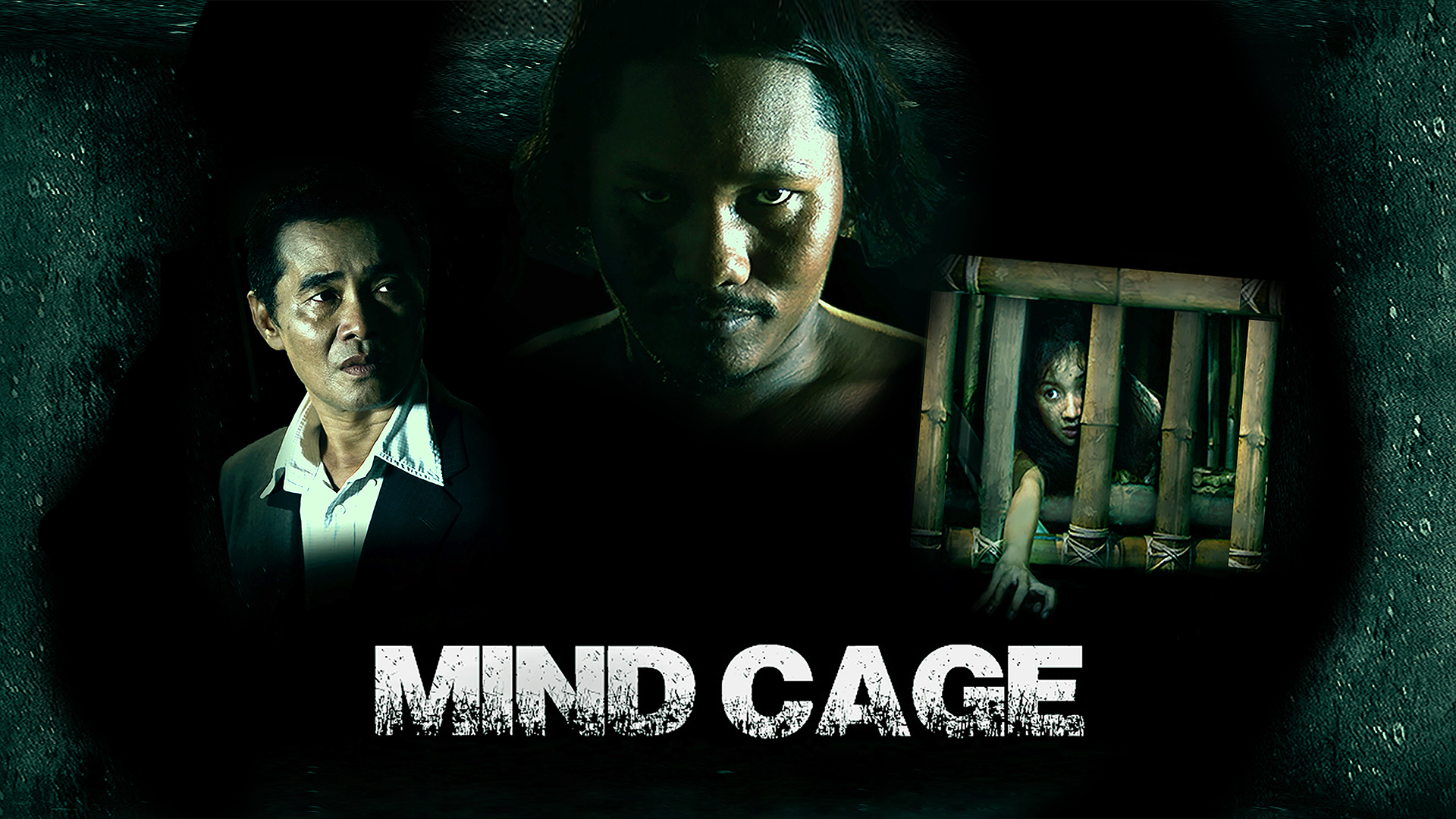
The breakthrough comes when Mary discovers that The Artist has been subtly guiding her toward a hidden truth about Jake’s past. The killer’s influence over him runs deeper than anyone imagined. In a chilling confrontation, The Artist reveals the emotional and spiritual leverage he has been holding over Jake for years, pushing him toward a breaking point. The copycat killer appears just as Mary pieces the final clues together, leading to a violent confrontation that forces her to choose between saving Jake or stopping the killer once and for all.
In the end, the truth about The Artist’s psychological hold is exposed, but it comes at a heavy cost. Jake’s fragile state collapses, leaving Mary to confront the aftermath alone. The copycat is stopped, yet The Artist sits calmly in his cell, satisfied that he has once again shaped the world outside his cage. The final moments suggest that even behind bars, his influence is far from over, leaving Mary—and the audience—questioning how far a brilliant and monstrous mind can reach.


