28 Years Later returns to a world forever changed by the Rage virus, nearly three decades after its initial outbreak devastated Britain. Society has not fully recovered, and the scars of the infection remain visible in abandoned cities, isolated communities, and the constant fear of collapse. While small groups of survivors have learned to coexist with the danger, the virus is far from eradicated, and humanity still lives on the edge of extinction.
The film follows a new generation of survivors who were born after the outbreak and have never known a normal world. For them, violence and survival are everyday realities rather than distant memories. One of the central characters is a young adult who begins to question the strict rules imposed by their fortified community. These rules are designed to keep people alive, but they also limit freedom, curiosity, and hope for a better future.

When a mysterious signal is detected beyond the quarantine zones, a small group decides to venture into the infected territories to uncover its source. Their journey takes them through ruined landscapes where nature has reclaimed cities and silence hides deadly threats. Along the way, they encounter both infected individuals and hostile human factions who believe survival justifies cruelty. The film emphasizes that, after so many years, humans can be just as dangerous as the virus itself.
As the group travels deeper, long-buried truths about the origins of the virus begin to surface. Scientific experiments, government decisions, and moral failures from the past are revealed, suggesting that the apocalypse was not simply an accident but the result of human arrogance. These revelations force the characters to confront difficult questions about responsibility, forgiveness, and whether humanity deserves a second chance.
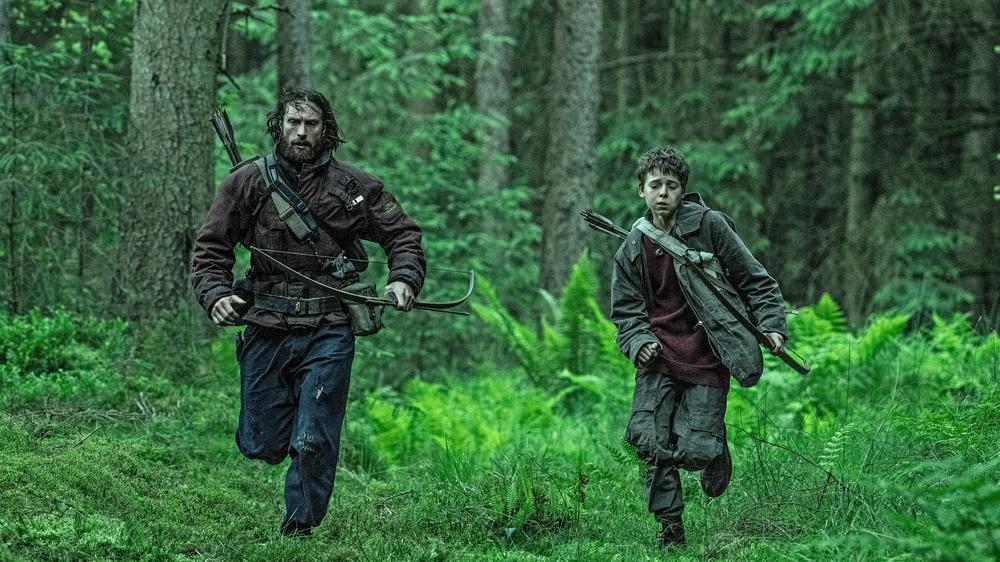
The infected in 28 Years Later are portrayed as more terrifying than ever, not because they have evolved, but because they remain relentless and unpredictable. The tension is built slowly, using atmosphere and silence rather than constant action, reminding audiences of the horror roots of the franchise. Every encounter feels dangerous, and survival often depends on difficult sacrifices.
In its final moments, the film focuses on hope rather than despair. While the world remains broken, the characters realize that rebuilding does not require erasing the past, but learning from it. 28 Years Later ends as a haunting and emotional continuation of the series, exploring how time changes not only the world, but the meaning of survival, humanity, and hope itself.


